The Napa Valley Wine Trolley: Open-Air Tours Explained
An open-air trolley styled after a San Francisco cable car, a guide who does the driving, and three or four wineries in a day. Here is how the Napa Wine Trolley actually works, Classic versus Castle, and what it costs.
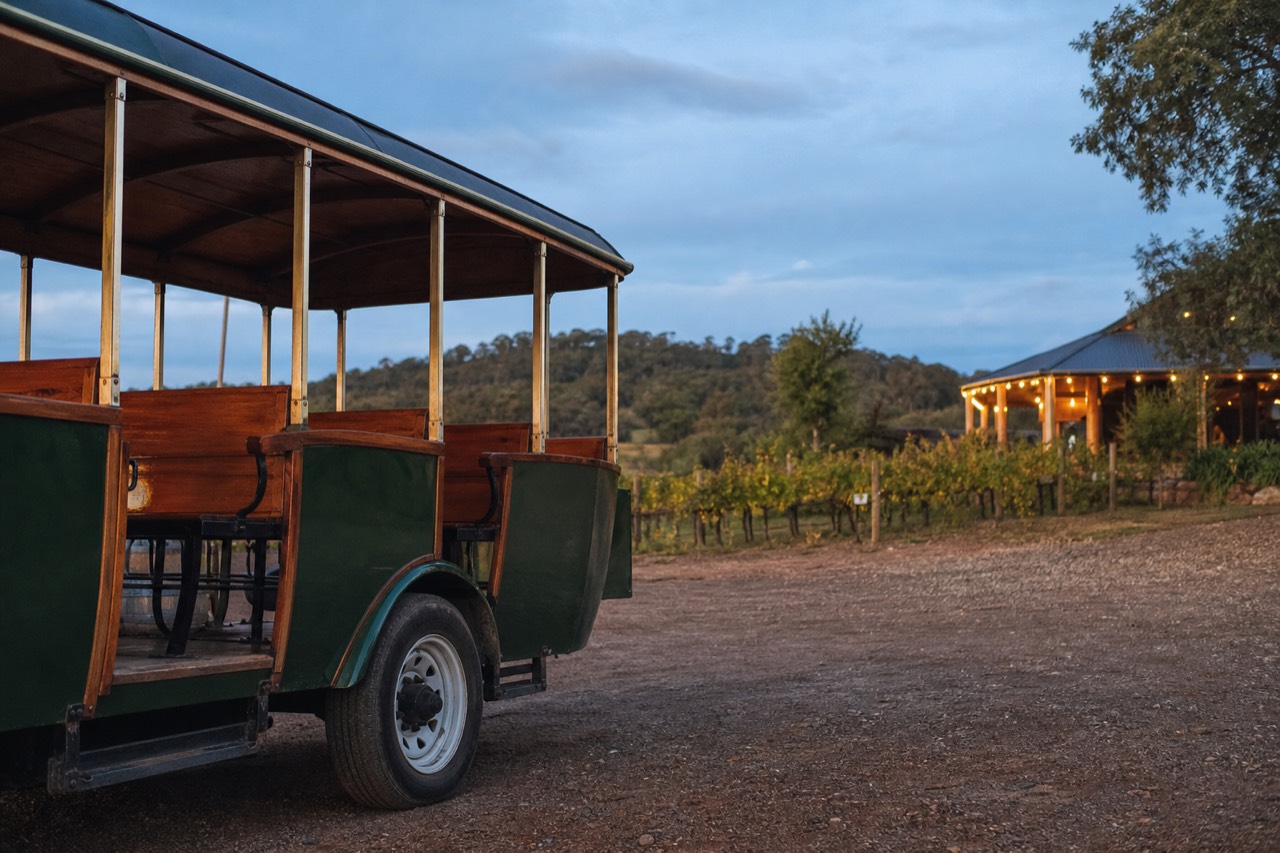
Short answer
The Napa Valley Wine Trolley is a guided, open-air tour, not a public hop-on service: a vintage-style trolley carries a small group to three or four wineries with the driving and the reservations handled. The Classic run leaves from downtown Napa, the Castle route builds around Yountville, and current fares sit on the live listing.
Picture a bright red, open-sided trolley, the kind that looks lifted straight off a San Francisco hill, rolling past Cabernet vines with a dozen people aboard and nobody worrying about the drive home. That is the Napa Valley Wine Trolley in one image. It is a guided day tour dressed as a cable car, and it solves the two problems that trip up first-time Napa visitors: who drives, and how you get seated at wineries that mostly want a reservation.
The trolley is not public transit and it is not a bus. It is a small-group experience with a fixed route, a driver, and pre-arranged winery stops, run in a few different formats. The two names you will see most are the Classic tour and the Castle tour, and they are not the same day out. This guide walks through how the open-air trolley works, how the routes differ, what a day costs once fees and lunch are counted, and where the trolley beats a van or a private car, and where it does not.
What is the Napa Valley Wine Trolley?
The Napa Valley Wine Trolley is a guided, open-air group tour aboard a vintage-style motorized trolley. A driver-guide handles the wheel and the timing while you taste at three or four wineries across the valley. It is a scheduled, reserved experience with a set route, not a public hop-on hop-off service you flag down.
The appeal is the format itself. An open-sided trolley turns the drive between estates into part of the fun rather than dead time, and because a professional is driving, everyone in your party gets to taste. That matters more in Napa than in most wine regions. California's legal limit is 0.08 percent blood alcohol for a standard driver, set out in California Vehicle Code Section 23152, and a day of tasting flights makes that line easy to cross without noticing.
The trolley also handles the part that catches self-drivers off guard: the bookings. Napa wineries mostly run on reservations now, and the good tasting rooms fill on weekends. On the trolley those stops are already held, so you climb aboard and the day unfolds without a single phone call.
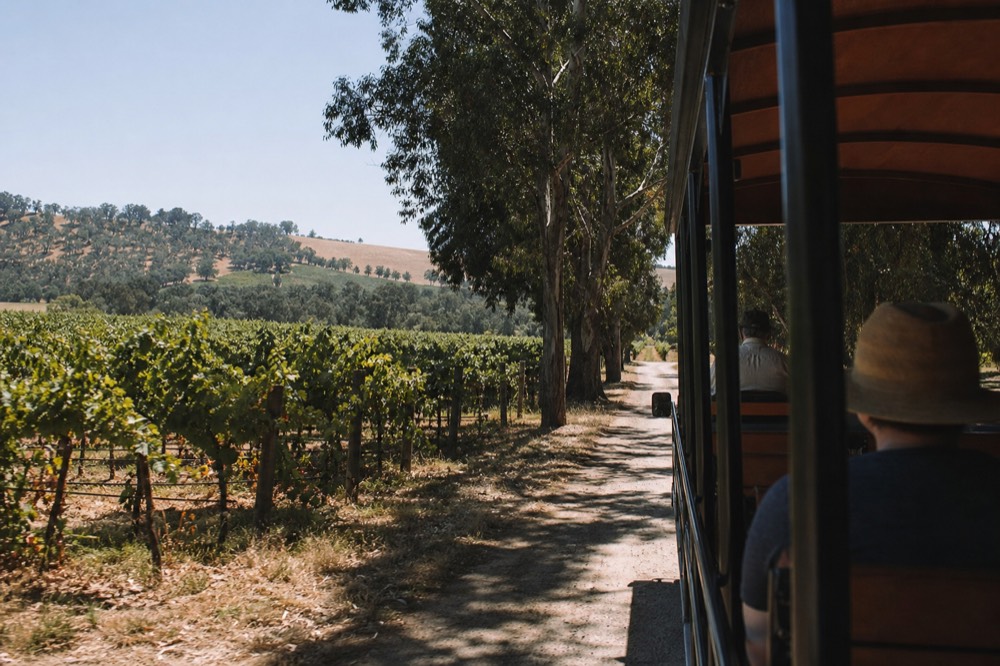
Before we get into the routes, here are the three trolley formats most visitors compare, from the Classic run to the Castle route to the lunch-inclusive open-air day.
Is the trolley a hop-on, hop-off service?
No. The Napa Wine Trolley is a guided tour with a fixed itinerary, not a hop-on, hop-off shuttle. Your trolley stays with your group all day, waiting at each winery while you taste, then carrying you to the next stop. You cannot flag it down on the street or buy a single-ride ticket the way you would a city cable car.
This trips people up because the vehicle looks exactly like a hop-on tourist trolley. The look is borrowed, the model is not. What you book is a full-day or half-day tour with a start time, a driver, and a planned set of wineries, closer to a small-group van tour than to public transport.
That distinction is good news for the day itself. Because the trolley belongs to your group, there is no waiting for the next loop, no gambling on whether a seat is free, and no risk of stranding yourself at a winery past closing. The pacing is planned around tasting appointments, which is the whole point in a valley that runs on reservations.
What is the difference between the Classic and Castle trolley tours?
The Classic tour is the flagship open-air run, departing from downtown Napa and visiting a spread of valley wineries over a full afternoon. The Castle tour is a themed variant built around Yountville and a castle-style estate experience. Both use the same open-air trolley and handle the driving; they differ in departure point, route emphasis, and price.
Think of the Classic tour as the default. It leaves from the city of Napa, covers a selection of wineries up the valley, and carries the strongest review record of the trolley formats, rated 4.5 across nearly 800 reviews. If someone says "the Napa Wine Trolley" without qualifying it, this is usually the day they mean.
The Castle tour trades the general valley route for a themed one anchored around Yountville, the fine-dining town a few minutes north of Napa. It suits visitors who want that castle-estate flavor as the centerpiece of the day rather than a broad sampler of tasting rooms. Its review record is a little lower, at 4.3 across roughly 300 reviews, which tracks with it being a more specific, less all-things-to-all-people outing.
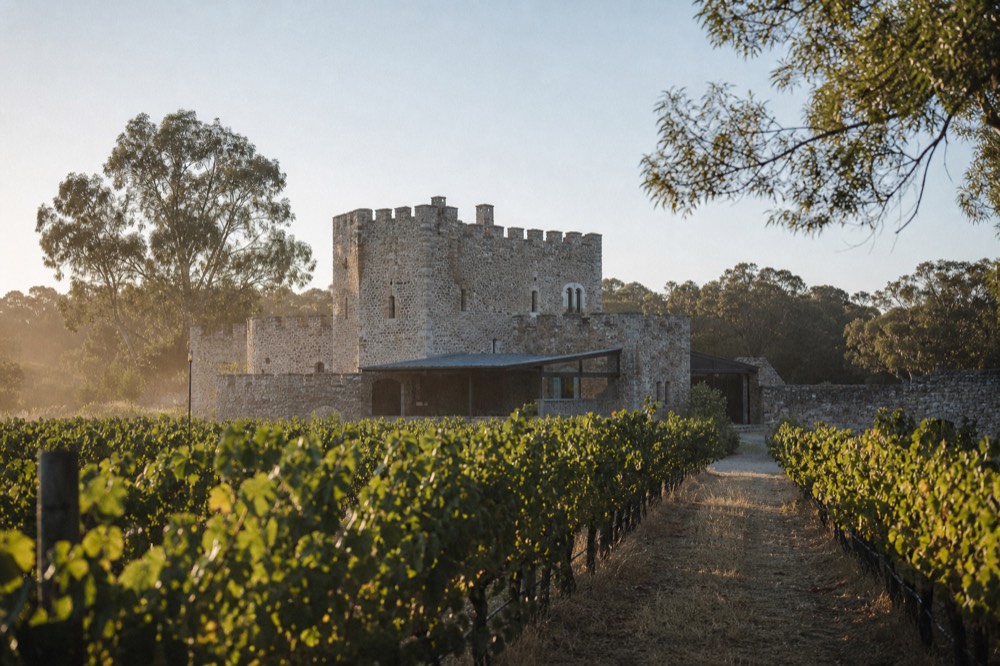
The table lines the trolley formats up side by side so you can see which day fits your group.
| Format | Departs from | The feel | Lunch | Rating | Best for |
|---|---|---|---|---|---|
| Classic trolley | Downtown Napa | Broad valley sampler | Often a stop or add-on | 4.5 / ~800 reviews | First-timers, the default day |
| Castle trolley | Yountville area | Themed, castle-estate centered | Varies by date | 4.3 / ~300 reviews | Visitors wanting a themed centerpiece |
| Open-air lunch trolley | Downtown Napa | Full day with a meal built in | Included | 4.5 / ~100 reviews | Those who want lunch handled too |
The Classic Wine Trolley is the one to start with if you are new to the valley. It carries that 4.5 rating across nearly 800 reviews, which is a large sample for a Napa tour, and it does the two hard things for you: the driving and the reservations. Fares move by date and season, so the current starting price sits on the operator's live listing rather than at a fixed number.
If a themed centerpiece appeals more than a broad sampler, the Castle route is the alternative worth weighing.
The Castle Trolley builds its day around Yountville and a castle-style estate experience, rated 4.3 across roughly 300 reviews. It is the pick for visitors who want one memorable anchor rather than a spread of tasting rooms, with the current fare on the live listing. Check the departure point when you book, since it starts farther up the valley than the Classic run from downtown Napa.
Which wineries does the trolley visit?
The trolley visits three to four wineries in a day, chosen by the operator along the valley's two main touring roads, Highway 29 and the Silverado Trail. Exact estates rotate by date, tour type, and availability, so the confirmed line-up appears on the live listing rather than as a fixed list. Expect a mix of a larger-name stop and one or two smaller family cellars.
Napa's geography sets the shape of any trolley route. The valley floor is only about 30 miles long and roughly 5 miles across at its widest, per the Napa Valley Vintners fast facts, with the towns strung south to north: Napa, Yountville, Oakville, Rutherford, St. Helena, then Calistoga. Wineries sit spread along that line and are not walkable between stops, which is exactly why handing the driving to a trolley makes sense.
Operators keep the confirmed winery list a little flexible on purpose. Reservations, tasting-room capacity, and seasonal events all shift which estates can host a group on a given day. What stays consistent is the pacing: enough time to taste properly at each stop, not a rushed dash to tick off names.
| Stretch of the valley | Towns | Known for | Typical trolley role |
|---|---|---|---|
| Lower valley | Napa, Yountville | Sparkling, downtown tasting rooms, dining | Common start, easy first stops |
| Mid valley | Oakville, Rutherford | Benchland Cabernet, big names | The heart of most routes |
| Upper valley | St. Helena, Calistoga | Historic estates, hillside sites, spas | Reached on longer full-day runs |
What is included on a trolley tour, and what costs extra?
A trolley ticket covers the open-air ride, the driver-guide, and the winery visits with reservations arranged. Tasting fees are sometimes included and sometimes billed at each winery, lunch is included on the lunch format and an add-on or a stop on others, and gratuity for your guide is extra. Always read the inclusions line on the listing, because it changes what your real all-in cost will be.
The single most useful habit before booking any Napa tour is to check what the price actually contains. Two trolley tickets at similar sticker prices can differ by a hundred dollars once tasting fees are settled, because one folds them in and the other leaves them at the cellar door. Napa fees are not small: they averaged around $79 in 2025, and they are charged per person, per winery.
Lunch is the other swing factor. On the open-air lunch trolley a meal is built into the day, so you are not hunting for a table mid-afternoon. On the Classic or Castle runs, lunch may be a scheduled stop you pay for, or something to sort yourself, so it pays to confirm.
| Item | Usually included? | Notes |
|---|---|---|
| Open-air trolley ride and driver | Yes | The core of the ticket |
| Winery reservations | Yes | Arranged for you, the main convenience |
| Tasting fees | Sometimes | Check the listing; can be billed per winery |
| Lunch | On the lunch format | An add-on or self-arranged on others |
| Guide gratuity | No | Customary to tip, typically 15 to 20 percent |
| Bottles you buy | No | Fees are often waived against a bottle purchase |
That waiver point is worth holding onto. Many wineries credit or waive the tasting fee if you leave with a bottle or two, so if you were going to buy anyway, the real fee total often shrinks. For a fuller picture of how tasting fees and reservations work across the valley, see how Napa tasting fees and reservations work.
What does a Napa Wine Trolley tour cost?
Trolley fares vary by date, tour type, and whether tastings and lunch are included, so the current starting price lives on the live listing rather than at a fixed number. Once you add tasting fees where they are not included, lunch, and a guide tip, budget realistically in the same range as a small-group van day. The open-air ride is the premium you pay over a plain shuttle.
Rather than quote a number that shifts week to week, it helps to think in lines. The ticket is one line. Tasting fees, if not baked in, are the biggest variable, since they scale with your stops and your group. Lunch and tips round it out. Build the day from those parts and no fare on the listing will surprise you.
| Line item | Typical per-person range | Notes |
|---|---|---|
| Trolley ticket | Current starting price on the listing | Varies by tour type and date |
| Tasting fees (if not included) | $60 to $240 | About $20 to $80 per winery, often waived on a bottle |
| Lunch | $15 to $60 | Included on the lunch trolley |
| Guide gratuity | 15 to 20 percent | Customary for a good day |
| Realistic all-in | Compare against a small-group tour | The open-air ride is the extra you pay for |
The Open-Air Trolley with Lunch is the pick when you would rather not think about a midday table at all. Rated 4.5 across its reviews, it folds the meal into the ride so the whole day, transport, wineries, and lunch, arrives as one booking. The current starting price sits on the listing, and having lunch handled is often worth the difference on a full day out.
How does the trolley compare to a van, a private tour, or self-driving?
The trolley's draw is the open-air ride and the social, festive feel, at a shared-group price. A small-group van covers similar ground in an enclosed vehicle, often a touch cheaper and better in cold or wet weather. A private SUV costs more but bends the route to your list. Self-driving is only sensible if one person stays sober all day.
Each format trades something. The trolley sells atmosphere: open sides, a breeze, that cable-car look, which is genuinely part of the memory for a lot of visitors. The trade is that an open vehicle is weather-dependent, so a cold, wet, or very hot day is more comfortable in a closed van. If ambience is the priority and the forecast is kind, the trolley wins on feel.
Private touring sits at the other end. A dedicated SUV or Sprinter is priced per group rather than per head, and it shapes the day around exactly the wineries you want, with door-to-door pickup. Recent private tours run roughly $599 for up to four guests on a six-hour day, or about $850 to $960 for up to seven on eight hours, with tasting fees and lunch on top. That flexibility suits couples marking an occasion or a group that wants its own space.
| Option | Vehicle | Pace | Roughly | Best for |
|---|---|---|---|---|
| Open-air trolley | Vintage-style open trolley | Set route, festive | On the listing | Atmosphere, a social group day |
| Small-group van | Enclosed van | Set route, 3 to 4 wineries | Around $151 pp on the classic day | Value, weather-proof comfort |
| Private SUV or van | Your own vehicle | Fully custom | Per group, ~$599 and up | Couples, custom routes, control |
| Self-drive | Your car | Total freedom | Fees plus gas | One sober driver, heavy planning |
For a wider comparison of every way to get around the valley, including the train, see the best way to tour Napa Valley. And if you are weighing a shared group day against a private car, how many wineries you can visit in one day explains why the count stays low either way.
How many wineries does a trolley day cover?
A trolley day reaches three to four wineries, which is the realistic ceiling for any Napa tour. Guides and wineries consistently recommend two to three tastings a day, capped at three to four, with 90 to 120 minutes per stop plus travel and lunch. The open-air ride between estates is part of the experience, so the trolley leans toward quality of stops over quantity.
The number is not the trolley being cautious. It is Napa arithmetic. Each seated tasting genuinely takes an hour and a half to two hours once you count the flight, a walk through the barrels or garden, and the conversation. Add driving time between estates that sit miles apart, plus a real lunch, and four is a full day. Push past that and palate fatigue sets in before the wine runs out.
The trolley leans into this rather than fighting it. Because the ride itself is enjoyable, there is less pressure to cram in a fifth stop, and the pacing feels generous rather than rushed. Two or three unhurried tastings with the wind on the open deck often beats a checklist of five.

When is the best time of year to ride the open-air trolley?
Because the trolley is open-sided, weather matters more than it would in a van. Late spring through early fall, roughly April to October, gives the warm, dry, breezy conditions the format is built for. Summer runs hot in the upper valley, and winter can be cold or wet on an open deck. The wineries stay open year-round, so it comes down to comfort in an open vehicle.
Napa's climate is kind to the trolley for much of the year. Summer daytime highs commonly sit in the 80s and 90s Fahrenheit with very little rain, which is warm but manageable with shade and water aboard. Winter brings cooler days, lows often in the 40s, and a real chance of rain, which is less fun with the sides open.
Season also drives crowds and price across the valley, not just comfort. September and October, the harvest crush, are the busiest and priciest weeks. Winter, marketed locally as Cabernet Season, is the quietest and cheapest. For the full month-by-month read, see the best time to visit Napa Valley, which covers crowds, weather, and rates in detail.
| Season | Trolley comfort | Crowds and price | Worth knowing |
|---|---|---|---|
| Spring (Mar to May) | Very good | Building, good value | Green hills, mild open-air days |
| Summer (Jun to Aug) | Good, bring water | Busy, warm | Hot in the upper valley by afternoon |
| Harvest (Sep to Oct) | Good, festive | Busiest, priciest | Book well ahead; crush energy |
| Winter (Nov to Feb) | Cooler, can be wet | Quietest, cheapest | Great rates, watch the forecast |
What should you know before you book a trolley tour?
Reserve ahead, especially for weekends and harvest, since open-air trolleys run limited departures and fill fast. Dress in layers for an open vehicle, wear closed comfortable shoes for gravel and cellar floors, skip strong fragrance since it interferes with tasting, and eat a real breakfast. Confirm the inclusions and the departure point, Napa or Yountville, when you book.
The practical details are what separate a smooth trolley day from a fiddly one. Layers matter more than usual because an open trolley is breezy in the morning and warm by afternoon. A hat and sunscreen earn their place in summer. And because seats are limited, popular dates sell out, so booking a week or more ahead in high season is wise.
One honest note on the Castle versus Classic choice: check the departure point before you commit, since the Castle route centers on Yountville while the Classic run starts in downtown Napa. If you are staying in the city of Napa, the Classic tour is the easier morning. If Yountville is your base or the castle-estate theme is the draw, the Castle route makes sense. Booking Napa Valley Wine Tours through the on-page cards keeps the live fares and dates in front of you either way.
| Time | A sample trolley day |
|---|---|
| Morning | Board in downtown Napa or Yountville, welcome and route overview |
| Late morning | First winery, seated tasting arranged ahead |
| Midday | Second winery, then lunch (included on the lunch format) |
| Early afternoon | Third winery, the day's showpiece |
| Mid afternoon | Optional short fourth stop, open-air ride back |
| Late afternoon | Drop-off, bottles in hand |
With the weather checked, the format chosen, and the inclusions confirmed, the open-air trolley turns a Napa day into the easy, festive version of itself. The driving is handled, the reservations are held, and the ride between vines becomes the part you remember.