The Best Time to Visit Napa Valley
Napa is open every month, so timing is about crowds, price, and weather, not access. Here is how the year actually shakes out, from the September crush to the quiet, cheap depths of Cabernet Season.
Short answer
The best time to visit Napa Valley depends on your priority. September and October, the harvest crush, bring the best energy and the highest crowds and prices. Winter, marketed as Cabernet Season, is quietest and cheapest. Late spring and early summer are the value sweet spot: warm, dry, and easier to book than fall.
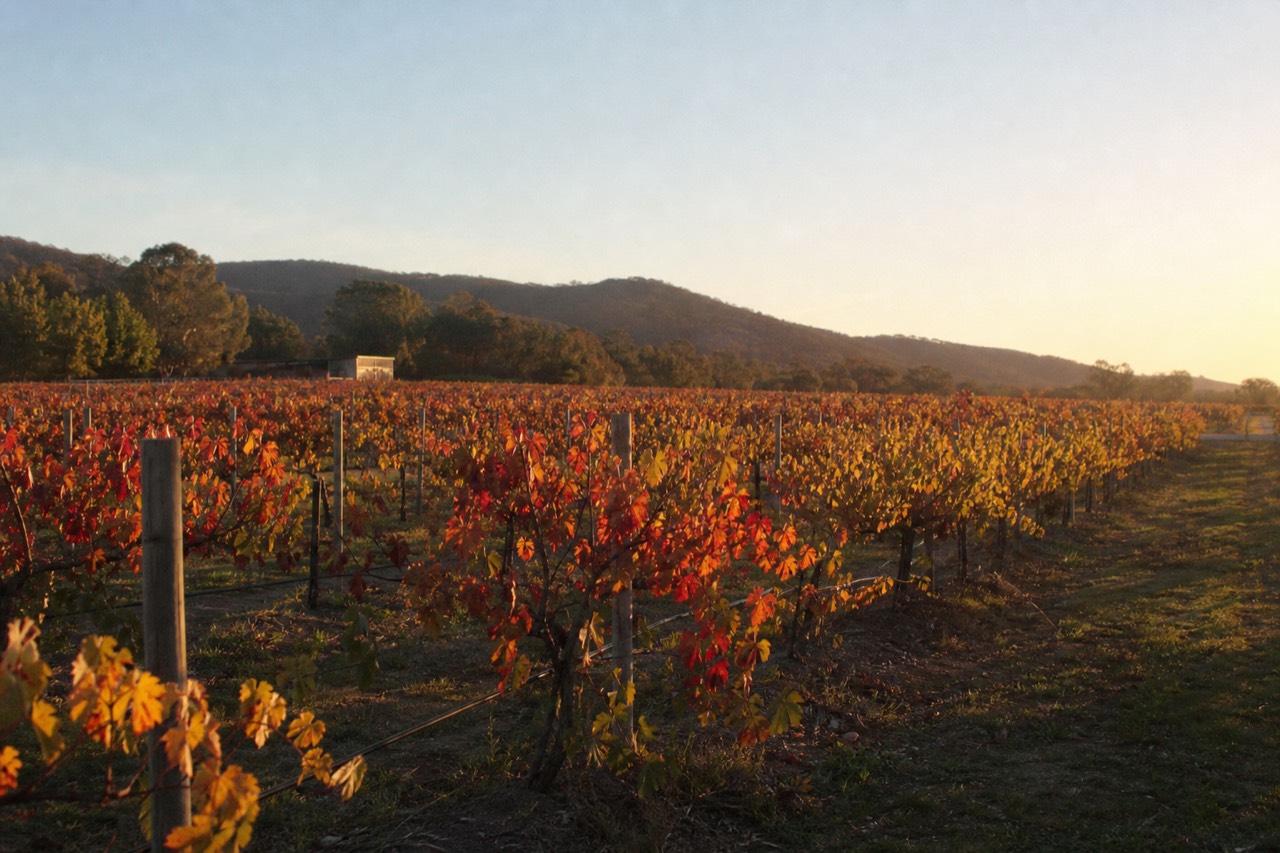
The first grapes of the 2025 Napa harvest came in around August 8, and the final Cabernet was not picked until November 2. Those twelve weeks are the busiest, priciest, most electric stretch of the Napa year, and they explain most of what you need to know about timing a visit. Come during the crush and you get harvest energy, golden vineyards, and rooms that push past $400 a night. Come in January and the same valley is quiet, green with cover crop, and roughly a third cheaper.
Napa runs year-round, so no month is the wrong month for access. Wineries pour in February the same as in September. What changes across the calendar is everything around the wine: how many other people are there, what a hotel costs, whether it rains, and whether the vines are bare or blazing. This guide walks the year month by month, weighs the crush against the quiet season, and matches each stretch to the kind of trip you want.
When is the best time to visit Napa Valley?
There is no single best month, only the best fit for your priorities. For harvest energy and warm, dry weather, come in September or October and accept the crowds and top prices. For low prices and easy reservations, come in winter. For the strongest all-round value, mild weather with thinner crowds, target late spring through early summer, roughly April to June.
The honest way to choose is to rank what matters to you. If the point of the trip is to see Napa at full tilt, with forklifts running and the smell of fermentation in the air, nothing beats the crush. If the point is a quiet, affordable long weekend where marquee wineries take you on short notice, winter is unbeatable.
Most visitors land somewhere in between, and that is where spring and early summer earn their reputation. The weather is warm without the August heat, the hills are green through May, and tasting rooms are busy but not overwhelmed. You give up a little harvest drama for a lot of ease.
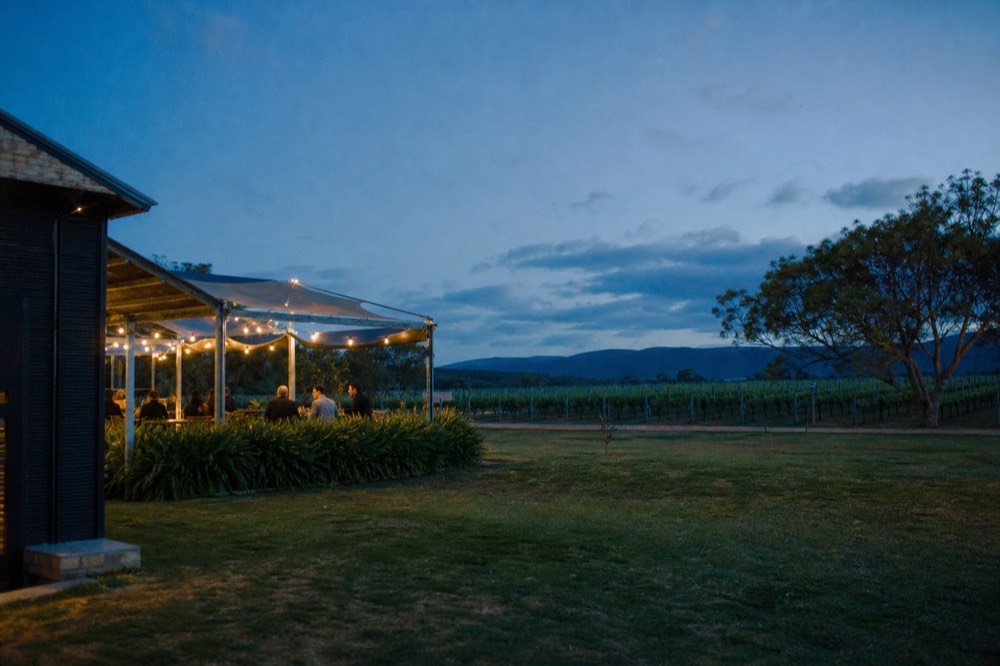
Timing shapes which experiences make sense too, so here are three that span the seasons, from the year-round train to the warm-weather balloon.
What is harvest, or "crush," and is it the best time to come?
Harvest, called the crush, runs roughly August through October, peaking in September and October. It is Napa at its most alive: grapes coming in, wineries buzzing, warm dry days, and the vineyards turning gold and red. It is also the busiest and most expensive window of the year, with the highest hotel rates and the tightest tasting reservations. Book far ahead if you want it.
The crush is the postcard version of Napa, and for good reason. The weather is reliably warm and dry, the light is long and golden, and there is a genuine sense of the region doing the thing it is famous for. In 2025 the first picks landed around August 8 to 11 with sparkling and early whites, Cabernet was in full swing through October, and the last Cabernet came off the vine on November 2, per the Wine Institute's 2025 California harvest report. The timeline below shows how a typical harvest unfolds.
| Harvest stage | Rough window | What comes in |
|---|---|---|
| First picks | Early to mid August | Sparkling base, early whites |
| Whites and early reds | Late August to September | Chardonnay, Sauvignon Blanc, Pinot Noir |
| Peak crush | September to October | The bulk of the reds, biggest crowds |
| Late Cabernet | Late October to early November | Final Cabernet, 2025 finished November 2 |
The cost of that magic is real. Valley room averages climb past $400 a night in the popular towns, weekend tastings book out days ahead, and the roads carry their heaviest traffic of the year. If your heart is set on the crush, the move is simple: reserve wineries and a hotel weeks out, and consider midweek dates to soften the crowds and the rates. A central base like the downtown Archer Hotel Napa, walkable to Oxbow Market and the First Street restaurants, is exactly the kind of room that sells out first for fall weekends.
Archer Hotel Napa · downtown Napa Check rates ›
One more note for the crush: this is when a booked tour pays off most. With reservations at their tightest, having the bookings and the driving handled removes the exact friction that spoils an unplanned harvest day. For the full playbook, see how to plan a Napa wine tour.
What is "Cabernet Season," and is winter a good time to visit?
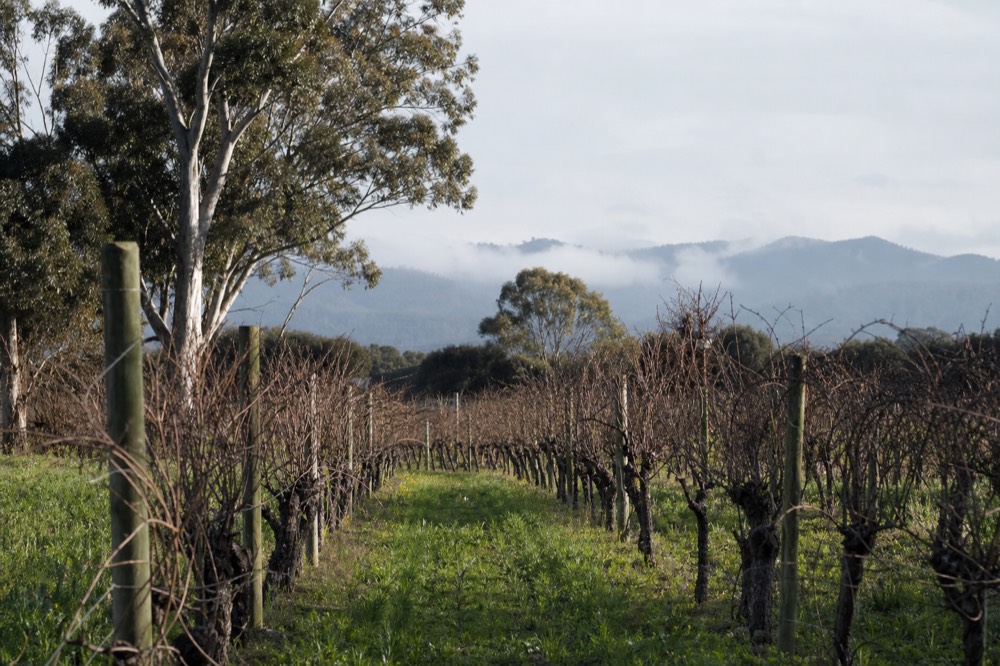
Cabernet Season is Napa's own name for winter, roughly November through March, and it is the quietest and cheapest stretch of the year. Crowds thin, hotel rates drop well under $300 a night, and even sought-after estates take reservations on short notice. The trade-offs are cooler, wetter weather and bare vines instead of a golden canopy. For value and easy access, it is the best time of all.
Locals lean into the slower months on purpose. With the harvest done and the tourists gone, wineries have time to pour generously and talk longer, and the whole valley feels less like a queue. Rooms that command $400-plus in October can fall toward $267 in January by one 2025-2026 tracking of valley rates, which changes the budget math for a weekend meaningfully.
The weather is the catch. Winter days are cooler, with lows often in the 40s Fahrenheit, and rain is likelier, so an outdoor tasting or an open-air trolley is a gamble on any given day. The vines are dormant and bare, which some find stark and others find peaceful. If you dislike crowds and love a deal, none of that will bother you.
Winter is also when a weather-proof experience shines. The Napa Valley Wine Train rolls in every season, its dining cars warm and dry no matter what the sky is doing, which makes it a natural centerpiece for a cold-month visit.
The Napa Valley Wine Train's lunch service is the classic all-weather day out, a multi-course meal aboard a vintage train as the valley slides past the windows, rated 4.4 across more than 400 reviews and starting at $278. Because it runs year-round and is entirely indoors, it is one of the few marquee Napa experiences a winter forecast cannot ruin. The current fare and dates sit on the live listing.
What about spring and summer?
Spring and early summer are the value sweet spot. From March the hills turn green with bud break, weather warms through May and June, and crowds stay below the fall peak. Midsummer, July and August, is hot in the upper valley, with highs commonly in the 80s and 90s, but long days and dry skies make it reliable. Book ahead for weekends, but reservations are easier than in the crush.
Spring gets less attention than harvest and deserves more. The green hillsides of March through May are the prettiest the valley gets, the weather is mild, and both rates and crowds sit in a comfortable middle. It is the season to come if you want good weather without paying October prices or fighting October lines.
Summer splits the difference. Days are long and dry, which is great for balloons, trolleys, and terrace tastings, but afternoons in Rutherford, St. Helena, and Calistoga get genuinely hot. The workaround is to taste in the cooler morning, break for a long shaded lunch, and save indoor cellar visits for the heat of the afternoon.
| Season | Crowds and price | Weather | Best for |
|---|---|---|---|
| Winter (Nov to Feb, "Cabernet Season") | Quietest, cheapest | Cool, some rain, bare vines | Value, easy reservations, quiet tastings |
| Spring (Mar to May) | Building, good value | Mild, green hills, bud break | All-round value, best scenery |
| Summer (Jun to Aug) | Busy, higher | Warm to hot, dry, 80s-90s | Long days, balloons, outdoor tastings |
| Harvest (Sep to Oct) | Busiest, priciest | Warm, dry, golden vineyards | Harvest energy, the classic Napa trip |
Spring and early summer are also when a classic full-day winery tour is at its easiest to enjoy: mild weather, green hills, and reservations that are simpler to line up than in the fall rush.
The small-group winery tour visits three family wineries with a local guide at the wheel, rated 4.9 across more than 1,000 reviews at around $151, and the shoulder months suit it best of all. The live price and dates sit on the listing, so you can hold a mild-weather date without committing to a fixed fee.
What does Napa look like month by month?
Month by month, the pattern is steady: January and February are cheapest and quietest, March through June build toward warm green value, July and August bring heat and crowds, September and October peak with the crush, and November and December ease off around the holidays. Price and crowds roughly track the weather and the harvest, so the cheapest months are also the coolest.
The month grid below is the single most useful thing to carry into planning. It pairs crowds and price with weather and a note on what each month is good for, so you can match the calendar to your priorities at a glance. No month is bad; they are just different trades.
| Month | Crowds and price | Weather | Worth knowing |
|---|---|---|---|
| January | Lowest | Cool, wettest, ~40s lows | Rooms near $267; easiest reservations |
| February | Low | Cool, some rain | Cabernet Season deals continue |
| March | Building | Mild, bud break | Green hills begin, strong value |
| April | Moderate | Mild, pleasant | Peak spring scenery |
| May | Moderate to busy | Warm, dry | Late-May music-and-wine festival draws crowds |
| June | Busy | Warm, dry | Barrel-auction weekend early June |
| July | Busy | Hot afternoons | Taste mornings, shade the afternoons |
| August | Busy | Hot, harvest begins | Early picks start mid-month |
| September | Busiest | Warm, golden | Peak crush; book far ahead |
| October | Busiest, priciest | Warm, dry, peak color | The classic harvest visit |
| November | Easing | Cooler, final picks | Harvest wraps early in the month |
| December | Moderate | Cool | Holiday events, then quiet |

When is the cheapest time to visit Napa Valley?
January and February are the cheapest, hands down. Winter hotel rates fall under $300 a night on average, close to $267 in January by recent tracking, against $400-plus at the fall peak. Tasting reservations open up, and weekend rooms that vanish in October sit available in January. The cost is cooler, wetter weather and dormant vines.
If budget leads your decision, winter wins by a wide margin, and the savings are not only on hotels. Restaurants are easier to book, tours run with more availability, and some wineries quietly ease their fees in the slow months. In 2025, roughly 29 percent of wineries trimmed their tasting fees as visitor numbers softened, so the winter deal can extend to the cellar door. The rate swing across the year is steep, as the table shows.
| Season | Typical valley room average | Reservation ease |
|---|---|---|
| Winter (Jan to Feb) | Under $300, near $267 in January | Easiest, short notice works |
| Spring (Mar to May) | Moderate, climbing | Comfortable |
| Summer (Jun to Aug) | Higher | Book weekends ahead |
| Harvest (Sep to Oct) | $400-plus a night | Tightest, reserve weeks out |
The near-cheapest alternative, if winter weather puts you off, is the shoulder: March and November. You get lower-than-peak prices with a better shot at pleasant days than the depths of January. For a blog-length take aimed squarely at this question, see the best months to visit Napa wineries.
When is the best weather in Napa Valley?
The most reliable weather runs late spring through early fall. May, June, September, and October offer warm, dry, sunny days without July and August's fiercest heat, which is why they double as the most popular months. Summer is dependably dry but hot in the upper valley; winter is cool and the only season with real rain. If you want warm and dry with a good chance of comfort, aim for those four shoulder-of-summer months.
Napa's Mediterranean climate makes weather planning easy in one sense: the summer half of the year is almost always dry. The variable is heat, not rain. June through September you can count on sun; the question is whether the afternoon tops out in the pleasant 70s of the lower valley or the 90s of Calistoga.
October is many regulars' favorite for exactly this reason: harvest energy plus the year's most agreeable weather, warm days and cool nights, before the winter rains arrive. The price you pay for that combination is that everyone else knows it too, so October is also the most expensive and crowded month of all.
| Season | Typical daytime highs | Rain | Comfort verdict |
|---|---|---|---|
| Winter (Dec to Feb) | 50s to low 60s | Highest, several rainy spells | Cool, variable, dress warm |
| Spring (Mar to May) | 60s to 70s | Occasional early, drying out | Mild and pleasant |
| Summer (Jun to Aug) | 80s to 90s upper valley | Very little | Hot afternoons, dry and reliable |
| Fall (Sep to Nov) | 70s to 80s, cool nights | Little until late fall | The all-round sweet spot |
Which season suits which Napa experience?
Match the experience to the weather. Hot-air balloons and open-air trolleys want the calm, clear mornings of late spring through early fall. Outdoor terrace tastings shine in spring and fall. The Wine Train and indoor cellar visits work in any season, which makes them the smart backbone of a winter trip. Balloons are the most weather-dependent of all and can cancel on foggy or windy mornings.
Some Napa experiences care a lot about the calendar and some barely notice it. A sunrise balloon flight needs a clear, calm dawn, so it is a warmer-months plan and can be scrubbed at short notice for safety even then. An open-air trolley is most fun on a mild, dry day. Both reward the spring-to-fall window.
Indoor experiences flip the logic. The Wine Train and seated cellar tastings are comfortable whatever the sky does, so they anchor a cold-month or rainy-day itinerary that outdoor plans cannot. Building a winter trip around one indoor centerpiece, then treating any nice weather as a bonus, is the reliable approach.
| Experience | Best season | Why |
|---|---|---|
| Wine Train | Any, great in winter | Indoors and weather-proof year-round |
| Seated cellar tastings | Any | Climate-controlled, season-agnostic |
| Open-air trolley | Spring to early fall | Open sides want mild, dry days |
| Hot-air balloon | Late spring to early fall | Needs calm, clear dawns; can cancel |
| Terrace and garden tastings | Spring and fall | Warm but not the peak summer heat |
A sunrise hot-air balloon flight is the standout warm-weather add-on, launching around dawn from the Yountville area for 45 to 60 minutes aloft inside a roughly four-hour experience, rated 4.7 across more than 90 reviews at $288. Flights depend entirely on calm, clear conditions, so late spring through early fall gives the best odds, and operators adjust or cancel for safety when fog or wind rolls in. For the full rundown, see hot-air balloon rides over Napa Valley.
Does the season change how you should book?
Yes, more than most people expect. In the fall crush, reserve wineries, hotels, and tours weeks ahead, since the best slots vanish first. In winter, a few days' notice often suffices, and you can be spontaneous. Whatever the season, high-demand experiences like the Wine Train and balloons book out earliest, so lock those first and build the rest of the day around them.
The booking window really does swing with the calendar. A September Saturday at a marquee estate can require a reservation a week or more out, while the same tasting on a February Tuesday might seat a walk-in. Reservations are the norm across Napa now, but the pressure eases sharply in the quiet months, which is part of winter's appeal.
The steady rule underneath the seasonal one: book the hardest-to-get thing first. Whether that is a balloon on a clear June morning or a Wine Train lunch in December, those fixed, capacity-limited experiences drive the shape of the day. Booking Napa Valley Wine Tours through the on-page cards keeps the live dates and fares in view so you can secure the anchor before filling in the rest. For the wider seasonal question of which months best suit a winery-focused trip, the best months to visit Napa wineries drills in further.
With your priorities ranked, price, crowds, weather, or harvest drama, the right month falls out on its own. Winter for value and quiet, spring and fall for the sweet spot, the crush for the full-throttle Napa experience. Pick the trade you want, book the anchor early, and the valley delivers in any season.