What's the Difference Between a Winery and a Tasting Room?
A winery makes the wine; a tasting room is where you drink it. Here is what separates the two in Napa, from working estates to downtown satellite rooms, and which to visit.
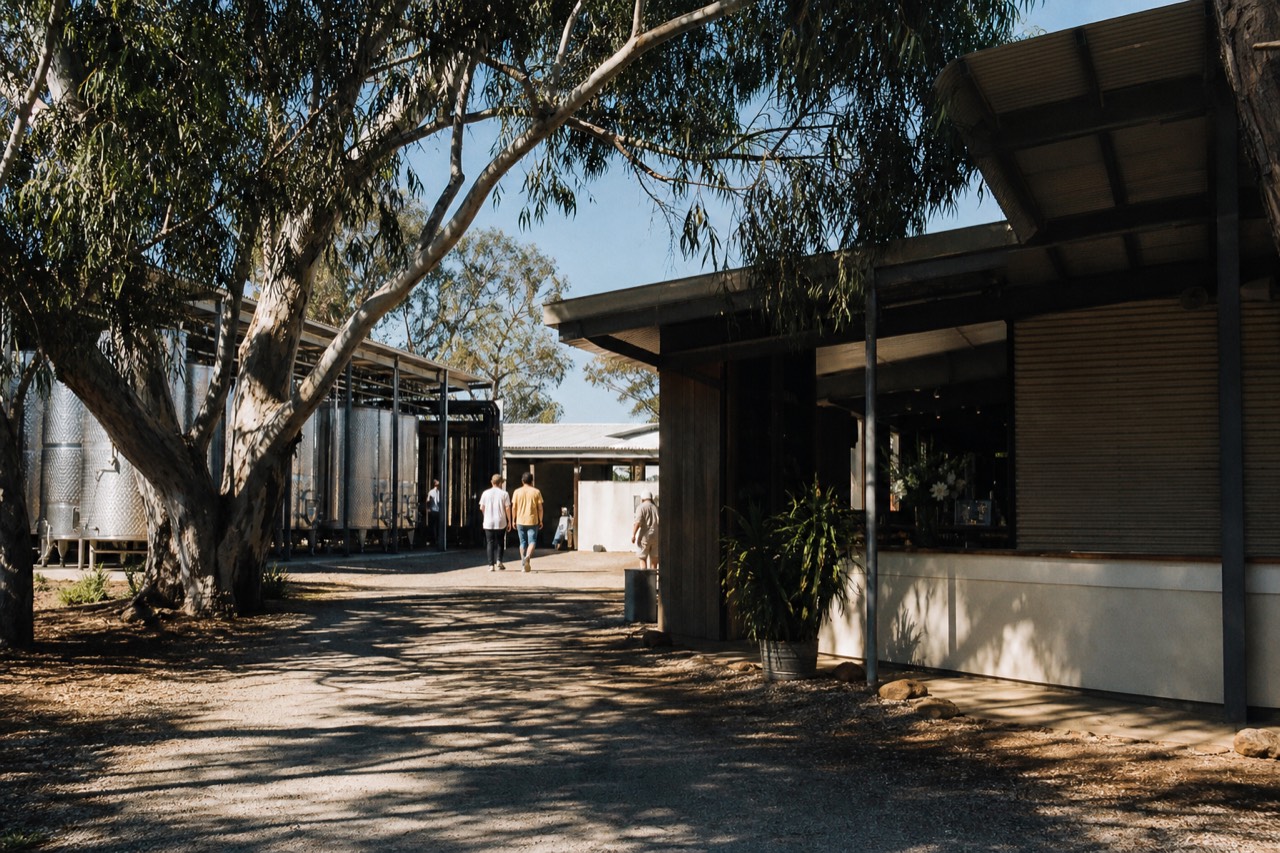
A winery and a tasting room are not the same thing, and the difference shapes your whole day. One is a working estate where grapes become wine: tanks, barrels, a crush pad, acres of vines. The other is simply the room, or the bar, or the terrace where you sit down and drink. Sometimes they share an address. Often, in Napa, they do not.
What's the difference between a winery and a tasting room?
A winery is a licensed production facility that grows or sources grapes and makes wine on site, with tanks, barrels and a crush pad. A tasting room is the hospitality space where visitors taste and buy that wine. Many wineries have a tasting room on the estate, but plenty of tasting rooms sit downtown, away from any production, pouring wine made elsewhere.
Think of it as the factory versus the shop, though "factory" undersells the beauty of a Napa estate. The winery is where the real work happens, harvest, fermentation, barrel aging, the parts most visitors never see unless they book a production tour. The tasting room is the visitor-facing front: a counter, a set of tables, a view, a host pouring flights. The two overlap constantly, which is exactly why the terms get muddled.
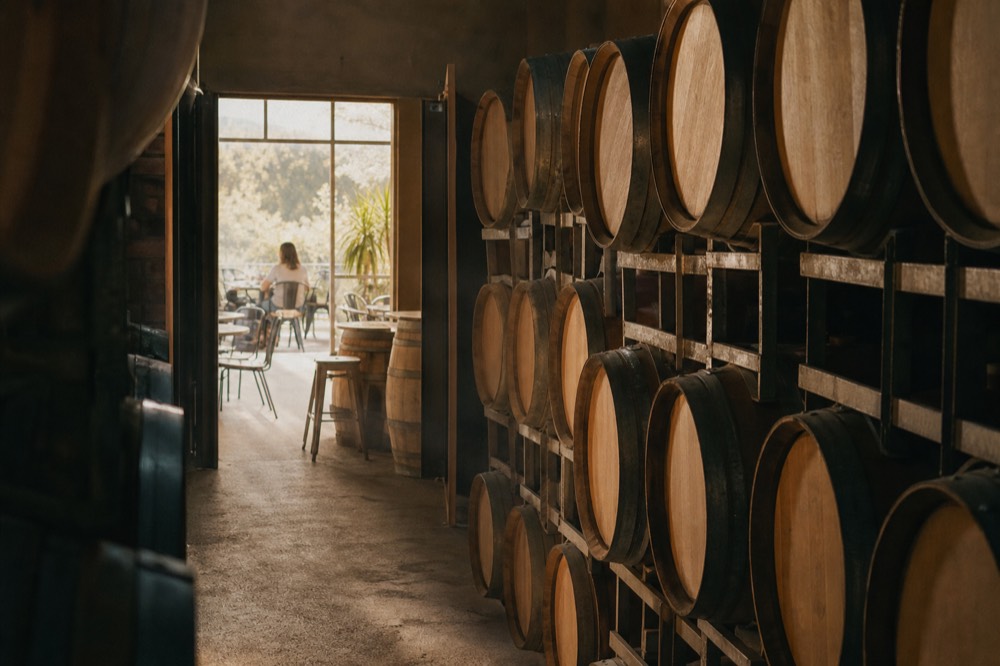
Before the details, here are the guided formats that take you straight to working estates, where you see the winery and taste in its room.
What exactly is a winery?
A winery is the place wine is actually produced: a bonded, licensed facility with fermentation tanks, oak barrels, a crush pad and usually surrounding vineyards. Napa County has more than 500 wineries producing more than 1,000 brands, spread along the valley floor and up into 17 nested sub-appellations. Visiting one often means seeing production, not just a bar.
The scale is part of the appeal. Napa's more than 500 wineries range from tiny family operations crushing a few tons to landmark estates, and they sit across a valley floor that runs only about 30 miles top to bottom, according to Napa Valley Vintners. An estate visit can include a walk past the tanks, a peek into the barrel room, and a tasting of wines made a few steps from where you are standing, the closest most people get to how the bottle came to be. New estates keep opening too: Lewis Cellars debuted a Stags Leap District production home with its own tasting room in late 2025.
What exactly is a tasting room?
A tasting room is the hospitality space where you sit, taste and buy. It can be on the estate, steps from the barrels, or a standalone satellite room downtown in the city of Napa, pouring wine trucked in from a winery elsewhere in the valley. Both are real; they just offer different experiences, one with production around you, one without.
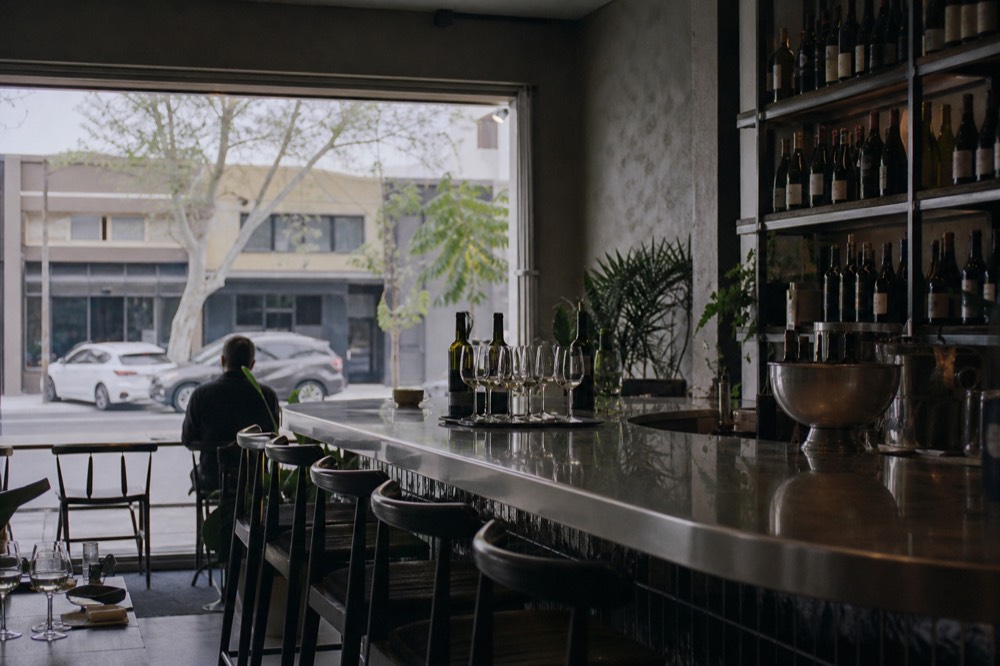
Downtown Napa is full of the satellite kind. Along Main Street and around the Oxbow district, dozens of tasting rooms let small producers, some without their own visitor-ready estate, pour for walk-in traffic in a walkable few blocks. There is no crush pad or barrel room in sight, but the wine is real and the format is relaxed. According to San Francisco Chronicle reporting, these downtown rooms are also the most walk-in friendly, which makes them a fine no-reservation afternoon.
| Winery (estate) | Tasting room (downtown) | |
|---|---|---|
| What it is | A working production facility with vines | A hospitality space, often a satellite |
| You might see | Tanks, barrels, crush pad, vineyards | A bar or lounge, no production |
| Setting | Up-valley, spread along the roads | Walkable in downtown Napa |
| Reservations | Usually required at estates | Often walk-in friendly |
| Best for | Seeing how the wine is made | A casual, flexible afternoon |
Can you tour the winery, or only taste?
Both, depending on the visit. A standard tasting is just the flight, poured in the tasting room. A tour, often a pricier or separately booked experience, walks you through the working winery: the crush pad, the tanks, the barrel cellar, sometimes the vineyard, before you taste. If seeing production matters to you, book a tour experience specifically, not just a tasting.
The distinction shows up on the booking page. Many estates offer a plain seated tasting and a longer "estate tour and tasting" at a higher fee, and only the second one gets you into the cellar. Downtown satellite rooms rarely offer a production tour at all, because there is nothing to tour. So if the barrels and tanks are the reason you came, filter for an estate that runs a proper tour, and expect it to cost more and run longer than a bar flight.
Do you need a reservation at a winery or a tasting room?
Usually different answers. Estate wineries mostly take reservations and many require them, tied to county permits and seated formats. Downtown tasting rooms are far more walk-in friendly, especially midweek. Book ahead for any estate you care about, and treat the downtown rooms as the flexible, drop-in part of your day.
This split is the practical heart of the whole distinction. If your plan is a working up-valley estate with a cellar tour, that is a reservation, sometimes days out in high season. If your plan is a lazy wander between downtown counters, you can often just show up. Our guide to Napa winery reservations and tasting fees lays out the booking norms in full, and our take on whether you can walk into wineries without a reservation covers the drop-in side.
Which should you visit: a winery or a tasting room?
Do both if you can. Visit at least one working estate to see how the wine is made and taste it at the source, then use downtown tasting rooms for a relaxed, walk-in afternoon or an easy first or last stop. First-timers gain most from an estate visit; a downtown crawl suits a flexible, no-plan mood or a short window.
The best Napa days usually mix the two. An estate in the morning, booked ahead, for the barrels and the story, then a couple of downtown pours in the afternoon when reservations feel like a chore. To pick which estates are worth the trip, our shortlist of the best wineries in Napa Valley to visit sorts them by style and by which a tour can reach.
The Open-Air Trolley Wine Tour, rated 4.5 across more than 100 reviews, takes you to several working Napa estates with the reservations and driving handled and lunch built in, the current price on the operator's listing. It is an easy way to see real wineries without booking a single table.
How do guided tours combine wineries and tasting rooms?
A guided tour is built to hit working estates, the wineries, not the downtown satellite rooms, because the estates are the experience most visitors want and the hardest to reach and book yourself. The guide holds the reservations, drives between estates that sit miles apart, and paces the day so you see production and taste at the source without the logistics.
This is where a tour earns its price. The estates worth seeing are strung along Highway 29 and the Silverado Trail, not walkable between stops, and mostly appointment-only. A guide turns that into a booked, driven, well-timed day. The classic small-group format is the one most first-timers choose.
The Napa Valley Small-Group Winery Tour, rated 4.9 across more than 1,000 reviews and starting around $151 per person, visits three family estates with the tastings booked, a picnic lunch packed, and a local guide driving. Booking Napa Valley Wine Tours this way gets you inside real working wineries, not just a downtown bar, with none of the planning.
So the short version: a winery makes the wine, a tasting room pours it, and in Napa the two often sit miles apart. See a working estate for the barrels and the story, lean on downtown rooms for a walk-in afternoon, and if you want the estates without the booking and driving, let a guided day stitch them together for you.