Can You Just Walk Into Wineries in Napa?
Whether you can taste in Napa without a reservation, which wineries take walk-ins, why most estates now require booking, and how to plan a spontaneous day.
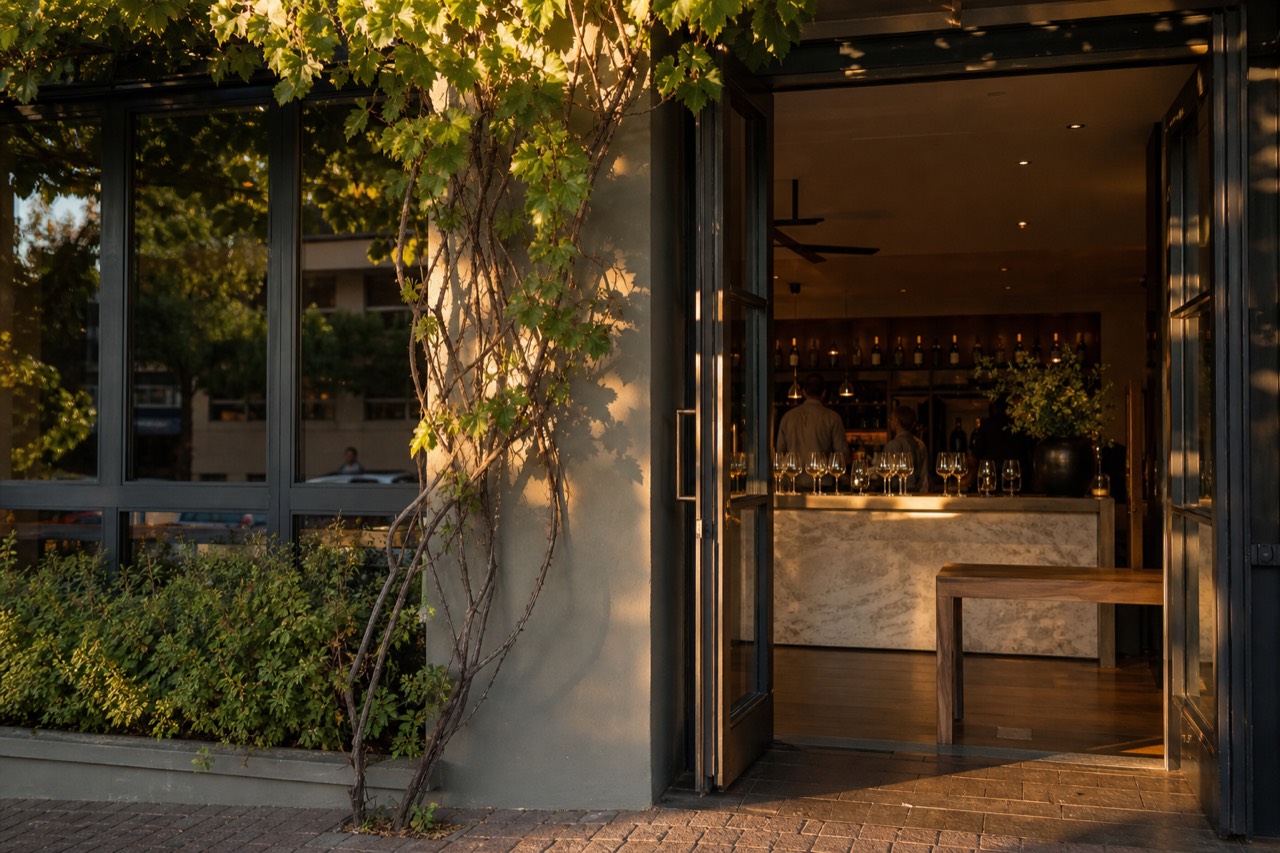
Show up at a marquee Napa estate on a Saturday in October with no reservation and there is a real chance you taste nothing. Most of the valley's famous names now run appointment-only, seated tastings, a shift tied to county permits since 2020. But the door is not as closed as that reputation suggests. The share of California wineries taking walk-ins climbed back to 66 percent in 2024, up from just 32 percent in 2020, so the honest answer to whether you can wing it in Napa is: more often than a few years ago, but not everywhere, and not at the top.
Can you just walk into wineries in Napa?
Sometimes, but plan on booking. Most Napa estates prefer or require a reservation for tastings, especially the well-known names and anything seated or with a cellar tour. That said, a majority of California wineries now accept walk-ins again, and downtown Napa's cluster of tasting rooms plus a number of mid-tier estates will often seat you without notice, particularly midweek and off-season. Book ahead to be safe; wing it only where walk-ins are welcome.
The picture split in two after 2020. High-end producers, roughly those with an average bottle above $70, mostly held onto appointment-only tastings. Everyone else has been loosening, and by 2024 two-thirds of California wineries were taking drop-ins again as a tourism slowdown pushed rooms to fill seats however they could. So the reality is a spectrum, not a rule.
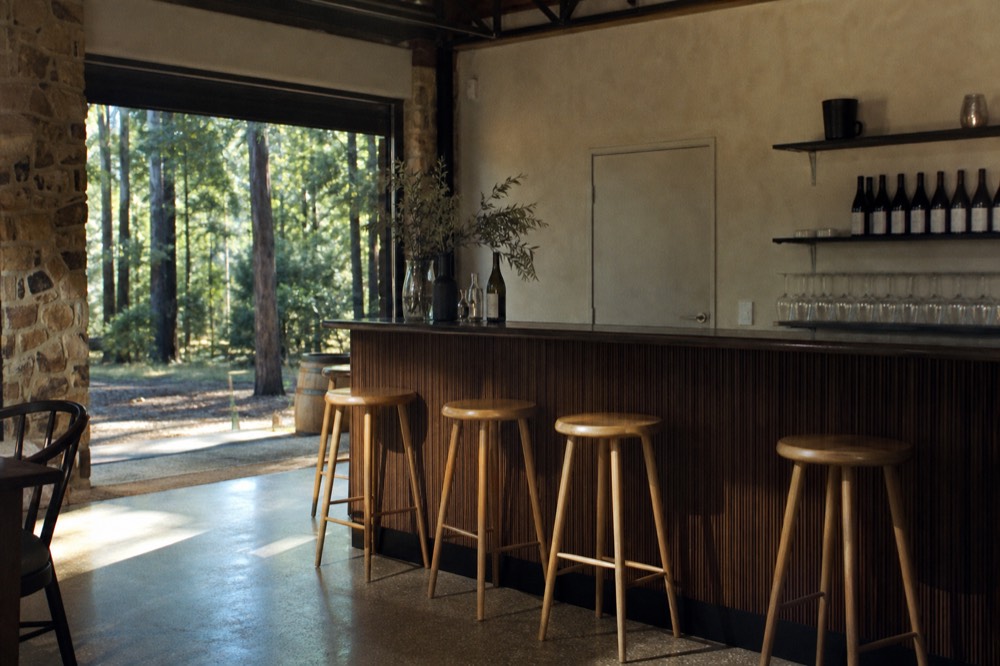
If you would rather not gamble on which door opens, these three formats each hand the reservations to someone else.
Which Napa wineries take walk-ins?
Downtown Napa tasting rooms are the most walk-in friendly, since many are casual satellite spaces built for drop-in tasting. Among the estates, some are known for accommodating walk-ins alongside reservations, Peju sees roughly half its visitors arrive without one, and Grgich Hills is another that takes drop-ins. Mid-tier estates midweek are your best bet. The reserve rooms, cellar tours and top names still expect a booking.
The walkable stretch of tasting rooms in downtown Napa is the safe play for a spontaneous afternoon, since you can move from one to the next on foot without a car or a driving question. Out in the valley, walk-in odds rise midweek and in the quiet winter months and fall on high-season weekends. The table sorts the odds by type.
| Where | Walk-in odds | Notes |
|---|---|---|
| Downtown Napa tasting rooms | Good | Casual, walkable, built for drop-ins |
| Mid-tier estates, midweek | Fair to good | Better off-season; call ahead if you can |
| Estates known for walk-ins | Fair | Peju, Grgich Hills and similar accept drop-ins |
| Famous names and reserve rooms | Low | Appointment-only, book days ahead in season |
For the full picture on how booking and fees work across the valley, our guide to Napa winery reservations and tasting fees covers who requires what and how the fees are waived.
Why do most Napa estates require reservations now?
The reservation norm came from county use permits and capacity limits that tightened after 2020, pushing wineries toward seated, scheduled tastings instead of open bar service. Seated formats need a booking to manage staff and space, and many estates found they preferred the controlled pace. The result is a valley where booking ahead is the default, even as walk-ins have partly returned at the casual end.
There is a practical upside to the shift for visitors: a seated, reserved tasting is usually a calmer, more personal experience than elbowing up to a crowded bar. The downside is that spontaneity costs you the top estates. As SF Chronicle reporting on the walk-in rebound lays out, the wineries loosening up are mostly the ones that need to fill seats, while the marquee names have the demand to stay appointment-only.
Are walk-ins getting easier in Napa?
Yes. The walk-in share among California wineries roughly doubled from 32 percent in 2020 to 66 percent in 2024, driven by a post-2023 tourism slowdown that made rooms keener to seat anyone who showed up. Napa followed the trend at its casual and mid-tier end, though its high-end estates stayed appointment-only. So a spontaneous tasting is more doable now than at any point since the pandemic, just not at the very top of the valley.
The trend matters for how you plan. A few years ago the advice was blunt: book everything. Now it is more nuanced. You can build a looser day around downtown Napa and walk-in-friendly estates, saving the one reserved seat for the winery you most want. Just keep in mind the odds still swing hard by season and day of week.
The Open-Air Trolley with lunch, rated 4.5 across 101 reviews, is a middle path between winging it and a fully scripted day: the reservations at each winery are already arranged and the driving is handled, but the open-air, hop-between-stops feel keeps some of the spontaneity a self-planned day promises. The current price sits on the operator's listing.
Where are the best walk-in tasting rooms in Napa?
The town of Napa itself, downtown, is the walk-in capital. Its concentration of tasting rooms sits within walking distance of each other, so you can taste across several without booking or driving, which is exactly what a no-reservation day needs. Out in the valley, walk-ins thin out fast as you head up toward the famous estates of Oakville, Rutherford and St. Helena, where booking becomes the norm again.
Downtown works for a spontaneous day for a simple structural reason: the tasting rooms are clustered, so the usual Napa problem of estates spread miles apart along Highway 29 and the Silverado Trail does not apply. You are on foot, not driving between appointments. That also sidesteps the designated-driver question that shapes the rest of a Napa day. For the wider set of ways to structure a visit, see the best way to tour Napa Valley.
What if you want a spontaneous day without booking anything?
Base yourself in downtown Napa and taste your way through its walk-in tasting rooms on foot, then reserve just the one estate you most want to see. Or hand the whole booking problem to a guided day, where the reservations are already held and you simply show up. Either way, you skip the two things that ruin an unplanned Napa trip: closed doors and the driver question.
A guided day is the reservation problem solved outright. On a small-group tour the tables are booked, the timings stitched together, and the route checked against which cellar doors actually seat visitors that day. Booking Napa Valley Wine Tours this way means no winery turns you away at the door, because your seat is already held.
The Napa Valley Small-Group Winery Tour, rated 4.9 across more than 1,000 reviews at around $151, arranges three family-winery tastings in advance and drives the route, so a day that could have meant three closed doors becomes three confirmed seats. If you are weighing that against doing it all yourself, the honest case for and against a winery tour runs the trade-offs.
So, can you just walk into wineries in Napa? At the casual, downtown, midweek end, increasingly yes. At the famous estates on a fall weekend, plan to book. The safest spontaneous day pairs a walkable downtown afternoon with one reserved seat, and the easiest no-stress day hands the reservations to a tour. Either beats standing at a locked cellar door with a car full of people who wanted to taste.